
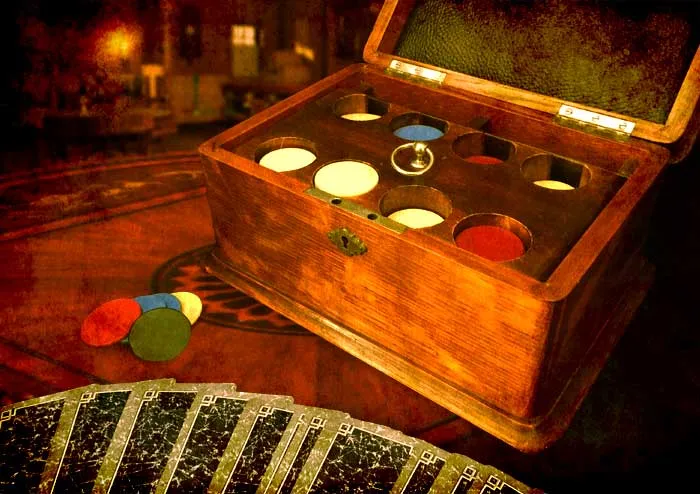
Exploring the Niche World of Historical and Antique Gambling Memorabilia Collecting
You know, most people think of collecting as stamps, coins, or maybe vintage toys. But there’s a whole other world out there—a world where history, chance, and craftsmanship collide. I’m talking about the surprisingly deep and passionate niche of collecting historical and antique gambling memorabilia. It’s not just about old cards and chips; it’s about holding a tangible piece of risk, reward, and human nature in your hands.
Let’s dive in. This hobby attracts historians, former casino workers, and folks who just appreciate the artistry of a bygone era. They’re not necessarily gamblers themselves. In fact, many are drawn to the stories these objects tell. Each piece is a relic from a smoky backroom, a lavish riverboat salon, or a frontier mining town’s saloon. It’s social history, you know, told through the lens of luck.
What Exactly Counts as Antique Gambling Memorabilia?
Well, the range is vast. Honestly, it can be overwhelming at first. But generally, we’re looking at items pre-1950s, with a huge focus on the 19th and early 20th centuries. The golden age, so to speak. Here’s a quick breakdown of the most sought-after categories:
- Playing Cards: This is a massive sub-collection. Think transformation cards (where the pips are part of a larger illustration), advertising decks from breweries or railroads, and “satirical” political decks. Condition is king, but a rare, imperfect deck can still be a crown jewel.
- Gambling Chips & Checks: Not your modern plastic casino chips. We’re talking clay composition chips from defunct casinos, bone or ivory “bones” from the 1800s, and metal tokens from saloons and riverboats. The designs—often featuring eagles, shields, or geometric patterns—are incredibly varied.
- Dice: Antique dice were often handcrafted from bone, ivory, or even wood. Collectors look for “perfect sixes” (where the six pips are arranged in a perfect 2×3 grid), loaded dice (with subtle weight shifts), and dice with unusual pip styles.
- Table Game Equipment: This is where it gets really specialized. Think faro layouts (a hugely popular 19th-century game), rouge et noir cloths, vintage roulette wheels, and even old craps sticks. These are large, display-worthy pieces.
- Ephemera & Advertising: This might be my favorite category. It includes catalogs from gambling supply houses like the legendary “Bennington & Company,” matchbooks from casinos long since demolished, and framed posters or signs warning against “cheating devices.”
Why Do People Collect This Stuff? The Allure is Real.
Sure, there’s an investment angle for some. Rare pieces can fetch thousands at auction. But for most, the drive is more… visceral. It’s about the historical connection. Holding a chip from the Titanic’s ill-fated casino (yes, those exist) sends a chill down your spine. It’s about the incredible artistry—the detailed lithography on a card, the intricate inlay of a chip. This was a time when even tools of vice were made with care.
And then there’s the thrill of the hunt. These items aren’t on every street corner. You have to dig. Estate sales in old mining regions, specialized online auctions, and niche collector shows are the primary hunting grounds. Finding a treasure in a box of junk? That’s the collector’s high.
Current Trends and Pain Points in the Hobby
The market, like any, has its ebbs and flows. Right now, there’s a strong demand for pre-1930s Nevada and California items—anything tied to the early days of legalized gambling in Reno or the Barbary Coast. Riverboat memorabilia from the Mississippi also holds a romantic, steady appeal.
But it’s not all smooth sailing. A major pain point? Authenticity and reproduction. Honestly, it’s a minefield. High-quality fakes of chips and dice are out there. That beautiful “antique” deck might be a modern reprint. New collectors often get burned by not doing their homework or buying from questionable sources. The rule is: buy the seller first, then the item.
Another trend is the move toward professional display and curation. Collectors aren’t just stuffing chips in shoe boxes anymore. They’re building custom-lit cabinets, framing ephemera in UV-protective glass, and creating mini-museums in their homes. The object’s story is being given a proper stage.
A Quick Guide to Starting Your Own Collection
Feeling intrigued? If you’re thinking of dipping a toe in, here’s a practical, no-nonsense approach. Forget trying to collect everything. You’ll go broke and crazy.
- Pick a Focus. Seriously, do this first. Maybe you’re fascinated by the Gold Rush. Collect chips and tokens from California mining town saloons. Love magic? Collect “stripper” decks or gaffed dice. A tight focus makes the hunt manageable and your expertise deep.
- Invest in Books, Not Just Objects. The best money you’ll spend is on reference guides. Books like Antique Gambling Chips: A History and Price Guide or The Encyclopedia of Trade Cards are your bible. Knowledge is your best defense against fakes.
- Connect with the Community. Join associations like The Casino Chip & Gaming Token Collectors Club (CC>CC). Participate in forums. Seasoned collectors are usually—surprisingly—willing to share knowledge. It’s a small world, and reputation matters.
- Start Small and Inexpensive. Buy a few common chips or a modest deck from a reputable dealer. Get a feel for the material, the weight, the age. Learn what “original condition” really looks and feels like before you go for the big-ticket item.
A Snapshot of Value Ranges
To give you a sense of the market’s spread, here’s a rough table. Remember, condition and rarity are everything. A chip from a common saloon might be $20. The same chip from a famous, short-lived casino? Could be $2,000.
| Item Type | Low-End Example | High-End Example |
| Playing Cards (deck) | Common 1940s airline deck: $15-$30 | Rare 1880s transformation deck in case: $1,500+ |
| Clay Casino Chip | Common 1970s Las Vegas chip: $5-$10 | Pre-1930s chip from a closed Northern Nevada casino: $500-$5,000+ |
| Dice (pair) | Early 20th-century celluloid dice: $25-$50 | 19th-century hand-carved ivory “perfect sixes”: $300-$800 |
| Ephemera | Single vintage casino matchbook: $5-$15 | 1890s Bennington supply catalog: $800-$2,000 |
The Final Bet: More Than Just Objects
In the end, collecting antique gambling memorabilia is about preserving a shadow history. These objects were witnesses to whispered deals, incredible wins, and devastating losses. They sat in the pockets of prospectors, gangsters, socialites, and travelers. They’re artifacts of leisure, vice, and the universal human itch to test fate.
It’s a hobby that demands patience, sharpens your eye for detail, and connects you to stories no textbook can fully capture. You’re not just accumulating stuff. You’re curating fragments of chance itself. And that, well, that’s a collection with a soul.